



Nothing is more frustrating and painful than when you’re moving along smoothly in your new relationship and everything seems to be going perfectly well, and then BAM! He’s gone. No word, no warning — just vanishes. Why does this happen?!
The term “ghosting” is used to describe the phenomenon where someone abruptly ends a relationship without notice or explanation and just disappears off the face of the Earth, never to be heard from again.
This often leaves the other partner in complete shellshock.
The term has become popularized in recent years and can pertain to any kind of relationship, including friendships and work partnerships, where radio silence becomes the fate of the involvement with another forevermore.
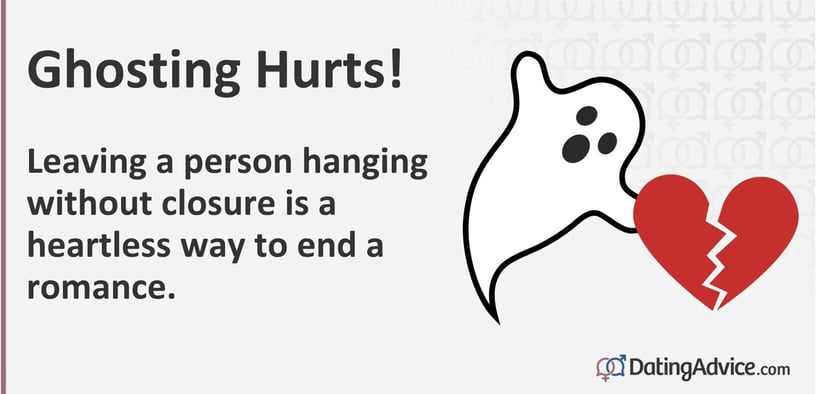
I’ve heard of this happening a lot on hookup apps when men are corresponding to determine goodness-of-fit for a quick fling. And then one of them mysteriously vanishes from the app just as plans to meet are almost solidified.
Suddenly the excitement and thrill of a possible dalliance are squashed. Very annoying! But for those who are serious about dating, this kind of behavior for some can be a form of relationship trauma.
Choosing this path of extricating oneself from a relationship situation is cruel and disrespectful. It leaves the other person reeling with shock and can dysregulate their nervous system, particularly if they have a past history of attachment loss and trust issues.
- “What happened to him?”
- “Is he ok?”
- “Did I do something wrong?”
- “Why did he do this to me?”
- “Why couldn’t he have talked to me?”
These are but a few of the ruminating questions that can go through the person’s mind as they attempt to make meaning of the abandonment. It just plain hurts—especially if someone is prone to rejection sensitivity and personalizes the loss.
And for some people, a series of these disappearing acts can cause damage to self-esteem. They can become jaded and hesitant about dating and exposing themselves to any form of vulnerability. But it isn’t always a “you” problem. Here are a handful of possible reasons why that guy withdrew so hastily:
1. He Just Wanted Sex
Lots of men on dating apps begin the baiting process by claiming they are interested in building a relationship and are looking for love. They do this as a way to hook you.
Once they find that you’re intrigued, they sprinkle in some flirting and seduction tactics to draw you in even more to motivate you into agreeing to meet them for a date.
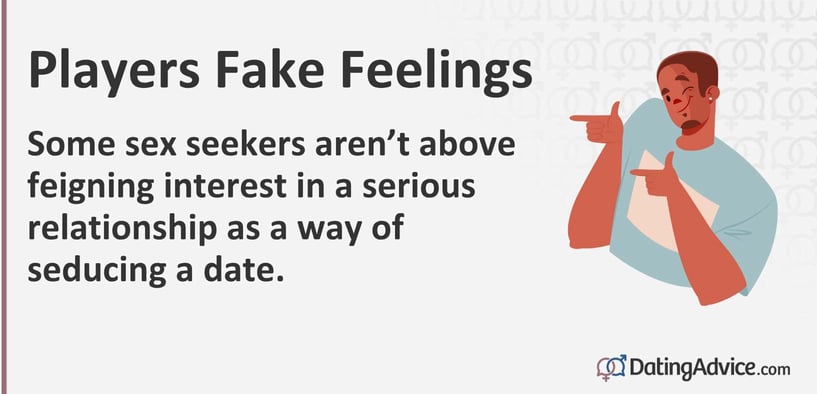
Unfortunately, their true motives are not communicated. Their impulses are being driven by selfishness and ego. Once the sex has been had and their need satiated, they vanish and are off to seek out their next conquest.
2. He Thought Things Were Going Too Fast
It’s possible that he perceived that the pacing of the relationship development was going too quickly for his comfort level, and he became overwhelmed.
His fight-or-flight response kicking in, he chose flight and disappeared rather than saying anything.
He may have thought that you were accelerating things too rapidly, or he may even have been the one who was going full-throttle and lovebombing.
Either way, he got scared and didn’t feel emotionally equipped to manage the intensity of the relationship’s pace.
This is likely a common defense mechanism he uses in his everyday life when things get too intense. He retreats to regain stability and gets trapped in this vicious cycle, never seeing things through to their true potential.
3. He Experienced “Intimacy Freak-Out”
In a similar vein to the previous reason, some people have a certain intimacy threshold that they can tolerate based on their attachment style and histories where they become overwhelmed, fearful, and then become immobilized.
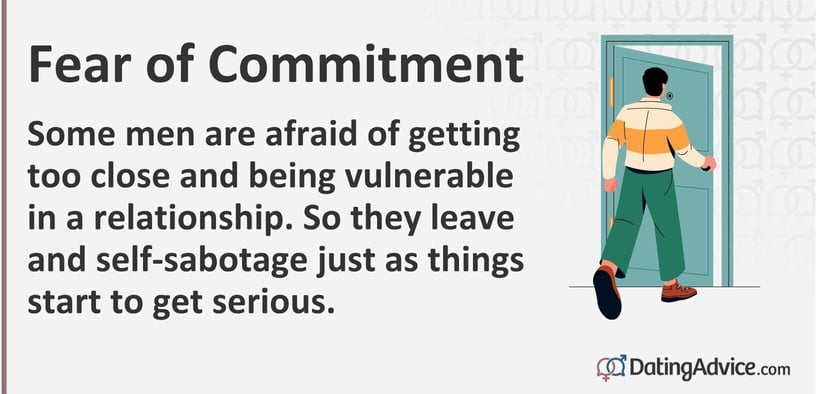
The relationship was going so well. Too well. He began to develop real, genuine feelings of connection and care. That freaked him out, and he couldn’t be direct about sharing his fears and concerns.
Intimacy fears such as fears of abandonment, of being controlled or engulfed or suffocated, and of being entrapped and losing one’s independence are all common “freak out” triggers that can sabotage a growing relationship.
4. He Didn’t Want to Date You & Didn’t Want to Talk About Why
There was some incompatibility that he didn’t have the courage to tell you. He thought it would be better to take the easy way out and just disappear. That way, he didn’t have to feel uncomfortable in communicating the mismatch.
Or he wanted to avoid witnessing hurting your feelings. Or he didn’t want to be questioned about his preferences.
Conflict avoiders often use ghosting as their go-to breakup strategy. They often struggle with responsibility and personal ownership in their daily lives.
5. He Didn’t Feel Safe & Opted for Self-Preservation
If he felt that his boundaries weren’t being respected or were violated, he may have withdrawn into the abyss to protect himself.
A person may opt for flight when they perceive there to be any real or imagined form of relationship red flags. These may include: intimidation, pressure, coercion, scapegoating, gaslighting, anger outbursts, or poor impulse control.
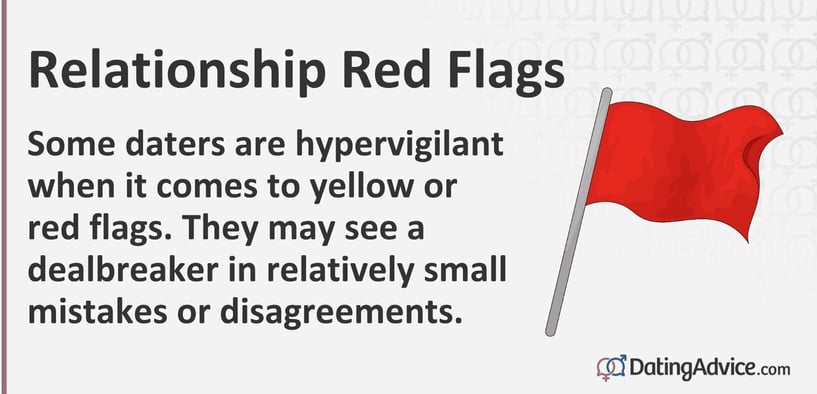
Those with relationship traumas and abuse histories are particularly hypervigilant for this. Safety in a relationship is essential, and when this is not detected for whatever reason, jumping ship without a word may occur.
Final Thoughts: It’s Not Personal
Ghosting behavior oftentimes has nothing to do with the offended individual. It speaks much more to the ghoster’s character, maturity level, lack of relationship skills, fears and insecurities, motivations, projections, and lack of assertiveness and communication fortitudes.
The ghosting trend speaks to the need for greater ethical behavior and considering the feelings of others to avoid hurting our fellow daters.
Greater compassion, directness, healthy boundaries, and skills-building in relationships might be a great starting point for intervening in this hurtful practice.