



Every relationship needs healthy boundaries and communication to work. Non-monogamous relationship styles like polyamory are no exception.
As someone who educates about sex and dating for a living — and someone with experience in polyamory — I have definitely learned the hard way that setting boundaries in poly relationships is critical to their success.
If you’re in a newly open relationship or looking into polyamory, coming to mutual agreements about what you and your partner(s) are comfortable with is an important first step. Without boundaries in a polyamorous relationship, you may be leaving too much room for ambiguity — and for someone to get hurt.
Why You Should Talk About Expectations Early
Conversations about boundaries can be difficult, especially when you’re entering into a new relationship structure. In my experience, though, putting this off doesn’t lead to anything good.
You should be upfront about where you stand. Then make decisions about what you and your partner are comfortable with, what you aren’t, and where you still have learning to do.
For example, are you comfortable with them kissing someone on a first date? What about having sex? Or if you live together, do you feel OK with your partner spending time with other people in your shared home? What about overnight sleepovers with new partners?
While it’s not always easy, thinking through these situations and having in-depth and honest conversations about them will serve you well in the long run.
Types of Boundaries to Set
A lot of issues can come up in poly relationships. And not just related to the bedroom. Your relationships touch on every part of life, so consider the following boundaries as you set ground rules for your dating adventures.
Sexual Health
Talking about sexual health with a partner is incredibly important. I see it as a non-negotiable for a relationship that is both physically and emotionally safe. This is especially true when it comes to non-monogamous partnerships.
While you may be inclined to “figure it out” on a case-by-case basis or let things just happen organically, doing so can put you, your partner, and others at risk.
Personally, I live with HSV-1, the most common type of herpes simplex virus, because a previous polyamorous partner was dishonest with me about his STI status. Because of his decision to hide this diagnosis from me, all of my sexual connections are affected — for the rest of my life.
Talk about whether you expect your partner to use protection, like condoms or dental dams, with new people. Decide together if you’ll require new partners to present STI testing results before either of you becomes sexually involved with them.
It may not sound all that fun and sexy, but I promise you that it will only benefit your relationship going forward.
Communication
One of the funniest things my friends ever said to me when I was in a polyamorous relationship was that all my ex and I did was “talk about our feelings.” We got a kick out of that for sure, but it was also incredibly true.
Part of being in an open relationship or polycule (the term for a group of people connected by polyamorous relationships) is maintaining a constant flow of open, honest communication.
You and your partner(s) should have regular sit-down check-in conversations, in addition to just day-to-day updates.
If you’re talking to someone new, it’s a good idea to give your other partners a heads-up. If your partner thinks they might become sexually active with someone new, they should bring it up beforehand if that’s an agreement you share.
Being proactive in communicating can only help everyone involved feel considered and give them a chance to speak up if they’re having issues or feeling upset about something. It also prevents embarrassing or even conflict-causing scheduling snafus, like double-booked dates or accidentally prioritizing solo time with one partner over others.
Emotional Boundaries
Setting emotional boundaries is one of the trickier aspects of non-monogamy. It can also be the most make-or-break.
This is where polyamory can differ from open relationships. People who consider themselves polyamorous are free to have both romantic and sexual relationships with multiple people, whereas couples in open relationships tend to have stronger boundaries around making sure those outside connections are purely sexual.
Every polycule is different. But they all must recognize and respect emotional limits. They should know the answers to things like:
- Do we allow dates to enter our shared spaces?
- Is it OK to see more than one partner on the same day?
- What is our relationship hierarchy?
The more you understand about each other’s emotional expectations, the better.
This is also where the topic of “compersion” comes in. Compersion, simply put, is the polyamorous concept that your partner’s happiness should make you happy.
Polyamorous people see this as a way to enjoy seeing their partners being happy and/or affectionate with their metamours (aka their partner’s other partners) rather than jealous. You can think of compersion as a kind of antidote to jealousy — and a great way to navigate difficult emotional conversations.
Privacy
Conversations around privacy are also crucial in non-monogamous relationships. Not only should you and your partner decide whether you feel OK discussing your personal connection with outside partners, but you should also decide how involved you want those people to be.
Privacy is especially relevant when you share a home with your partner(s), have children together, or combine finances. Do you want other people to have knowledge or even involvement in these aspects of your relationship?
“It’s about sharing with others what you are or are not willing to do. That’s the definition of a boundary.” –Dr. Tracy Dagliesh
Additionally, privacy extends to people like coworkers or relatives knowing about your non-monogamous lifestyle.
Do you want to keep that totally private and personal? Or are you comfortable essentially “coming out” and even introducing your entire polycule or other sexual partners to the people in your life? These are all really important questions to talk through.
Money
As with privacy, money can be a sensitive topic to discuss, but it’s important. If you and one or more of your partners combine your finances or share one income, you should be proactive about deciding how that relates to new people who join your relationship(s).
- Are you OK with being transparent about your financial situation with others? Or is that something you want to keep totally separate and private?
- Do you want to combine multiple incomes if you live with more than one partner?
You should set boundaries around how much money you both are willing to allocate to dating. If your finances are combined, especially, there should be specific agreements about budgets for dates, gifts, and special occasions involving new partners. This could save you from a lot of conflict in the future.
Red Flags You Shouldn’t Ignore
If you and/or your partner are new to non-monogamy, there are a few behaviors that you should look out for when you’re having initial discussions about boundaries.
Things like gaslighting and unregulated jealousy are also very important to pay attention to in a polyamorous or open relationship.
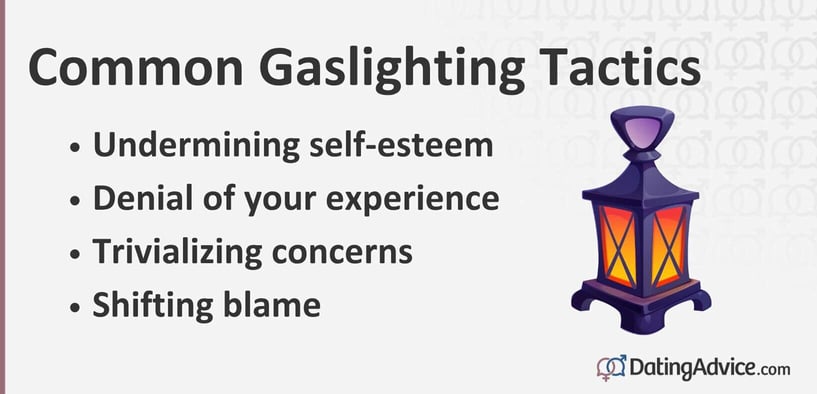
One major red flag I have definitely ignored in polyamorous relationships in the past was an imbalance of compromise.
More specifically, I experienced more scrutiny and backlash anytime I was interested in a new potential partner or interacted with a past partner than my partner did from me. My ex would frequently seek out new partners without communicating about it, but I was often guilted and pressured into focusing solely on our relationship instead of dating new people.
Communicating regularly and effectively can help mitigate the chances of these popping up. Be sure to advocate for yourself and speak up when issues or strong emotions arise. Don’t let someone take advantage of you, your patience, kindness, or your consideration.
Boundaries Versus Rules in Poly Relationships
Something a lot of people don’t realize about boundaries is that they’re very different from “rules” in a relationship. Boundaries are actually for you, not for your partner. A boundary is you setting expectations about how you’ll react or respond to a particular behavior your partner might engage in.
For example, a boundary can be that if your partner has unprotected sex with someone new, even though you both agreed to always use protection with others, you will not have sex with them again until both people present negative test results for STIs.
A boundary is not that your partner “isn’t allowed” to have unprotected sex with someone else. That’s a rule — and rules aren’t something I personally recommend in any non-monogamous relationships.
Instead, I recommend reframing these as “agreements.” You and your primary partner shouldn’t be able to dictate how each of you behaves, but you should set expectations of what you both agree to do or not do.
And if those agreements are broken, that’s where boundaries come in. It’s much clearer and much less rigid than many people make it out to be.
There’s No Such Thing as a Perfect Poly Rulebook
No matter how many healthy and reasonable boundaries you set, no matter how much compersion you think you have the capacity to feel, no one is going to have the perfect polyamorous or open relationship.
I always tell people that even the “most poly” polyamorous couples I know feel jealous or have disagreements. That’s true in all relationships. Issues come up sometimes.
We’re all human; no one is perfect, and therefore, stuff happens. The most important thing is how you respond when they do and how you and your partner are able to work through conflict together. As long as you have a shared vision for the future and a desire to have a healthy, happy relationship over the long run, you can make it work.